

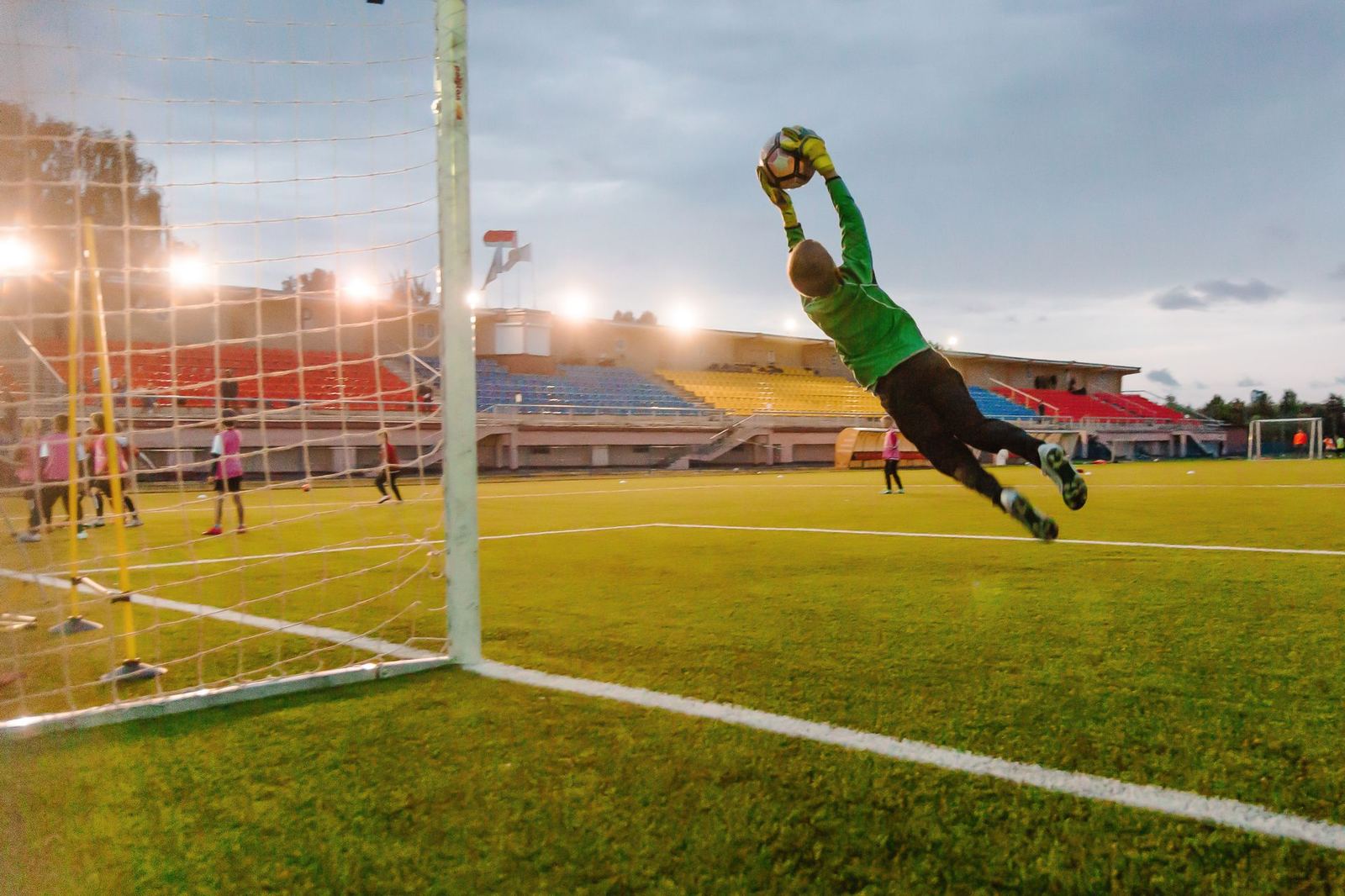
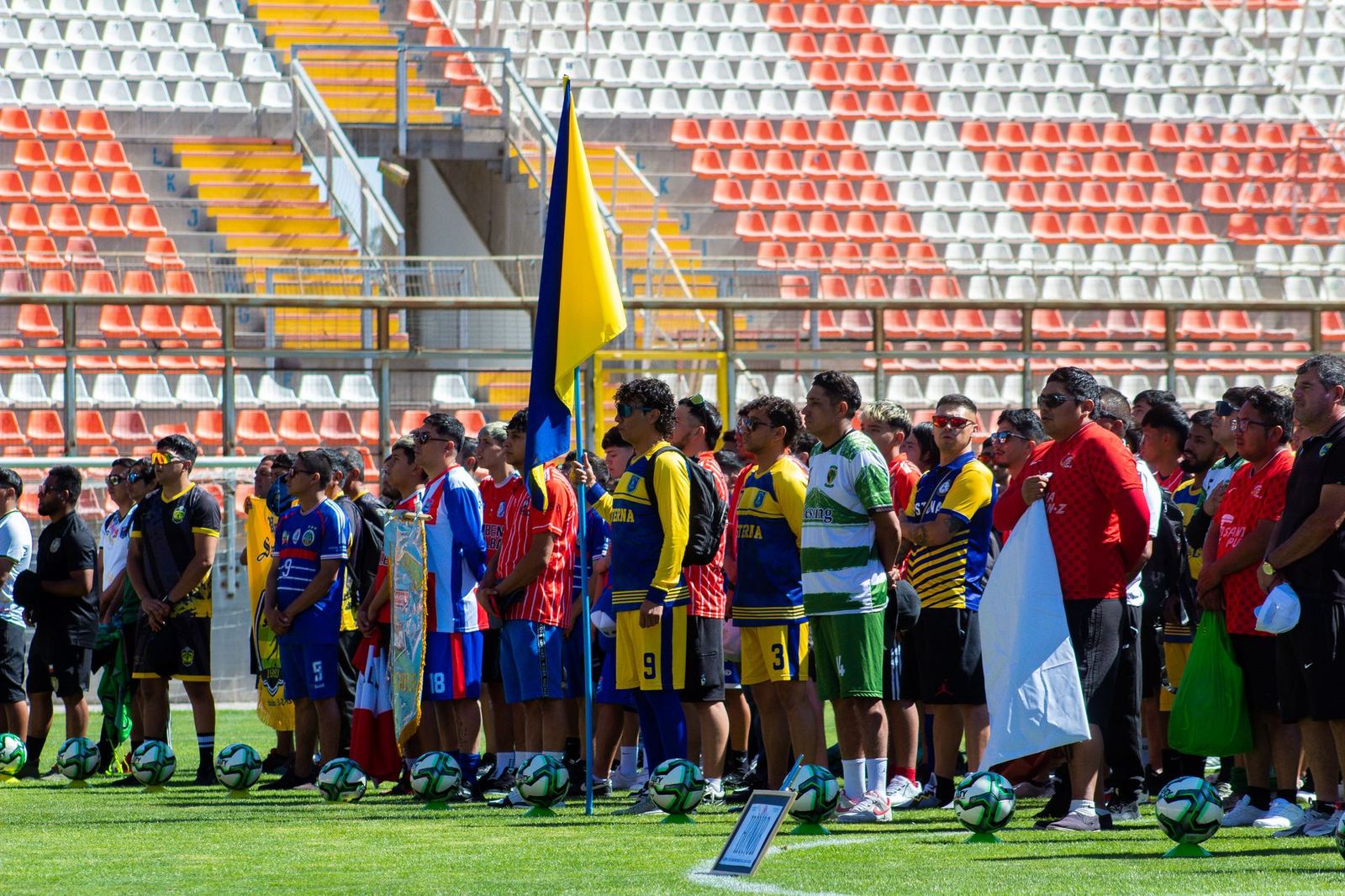
Trial day isn't only about pace and height; the relationship with the ball, decisions and team communication are observed.
Trial day may be exciting for your child and stressful for you. Knowing what is assessed from a coach's point of view helps you prepare your child properly and interpret the outcome correctly.
Five areas observed
- Relationship with the ball: Ball control, first touch and use of both feet.
- Game understanding: Movement to receive, choosing the direction of passes and off-the-ball movement.
- Physical traits: Pace, agility and balance; height alone is not decisive.
- Mental attitude: Willingness to compete, recovering after mistakes and openness to learning.
- Social skills: Communication with teammates and listening to the coach.
Preparing before the trial
Enough sleep the night before, a light meal two to three hours before and drinking water throughout the day are enough. Do not buy new boots; put your child in familiar footwear that is comfortable. Shin pads are compulsory.
Do's and don'ts on trial day
- Drop your child off with confidence; do not enter the pitch or give instructions.
- Do not pressure them about the result; give the message 'do your best and enjoy it'.
- If your child makes a mistake or loses, handle it afterwards in a calm conversation.
How to interpret the result
A trial result does not say a child is 'good' or 'bad'; it only shows which group suits their current development level. At our academy we give written feedback within three working days. The report clearly states strengths, areas to improve and the recommended group. There is no obligation to register, and you can use the report at another academy if you wish.
To apply for a trial, just complete the online form; the date that matches your child's birth year will be sent to you.
A sample trial-day flow
Children warm up and register in the first 20 minutes; coaches try to create a calm atmosphere, because nerves directly affect performance. At the technical stations every child is given the same tasks and a scoring form is completed for each. Children are then split into balanced groups by ability to play 5v5 and 7v7 games. In these games coaches look especially at reactions after mistakes and attitude toward teammates.
A note for late developers
A child who is short or physically late to develop may look behind at trials. When assessing this we take 'relative age' and growth rate into account, and we give late-developing players with high potential another chance at the next trial date.
First steps after the trial
Read the result report with your child without judgement; talk about strengths first, then choose one area to improve. Letting the child set their own goal raises motivation. You can also use the report to plan simple ball-skill exercises that can be done at home.
Related Posts
Seven Questions to Ask When Choosing a Football Academy for Your Child
The coach's licence, group size and progress measurement matter more than how the facility looks.
Read More